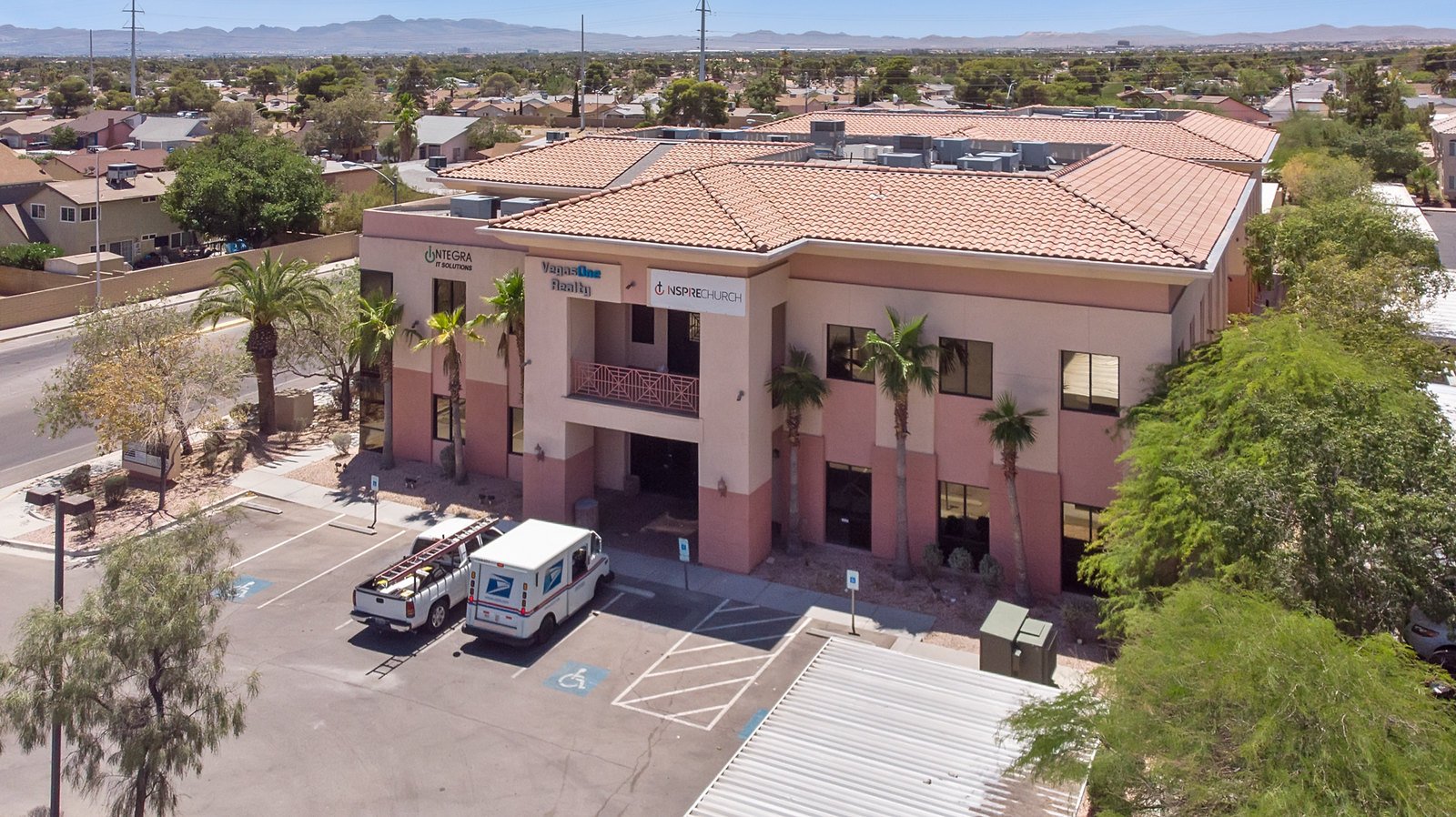

real estate photography tips
Portrait vs. Landscape: Why Your Listing Media Might Be Backfiring
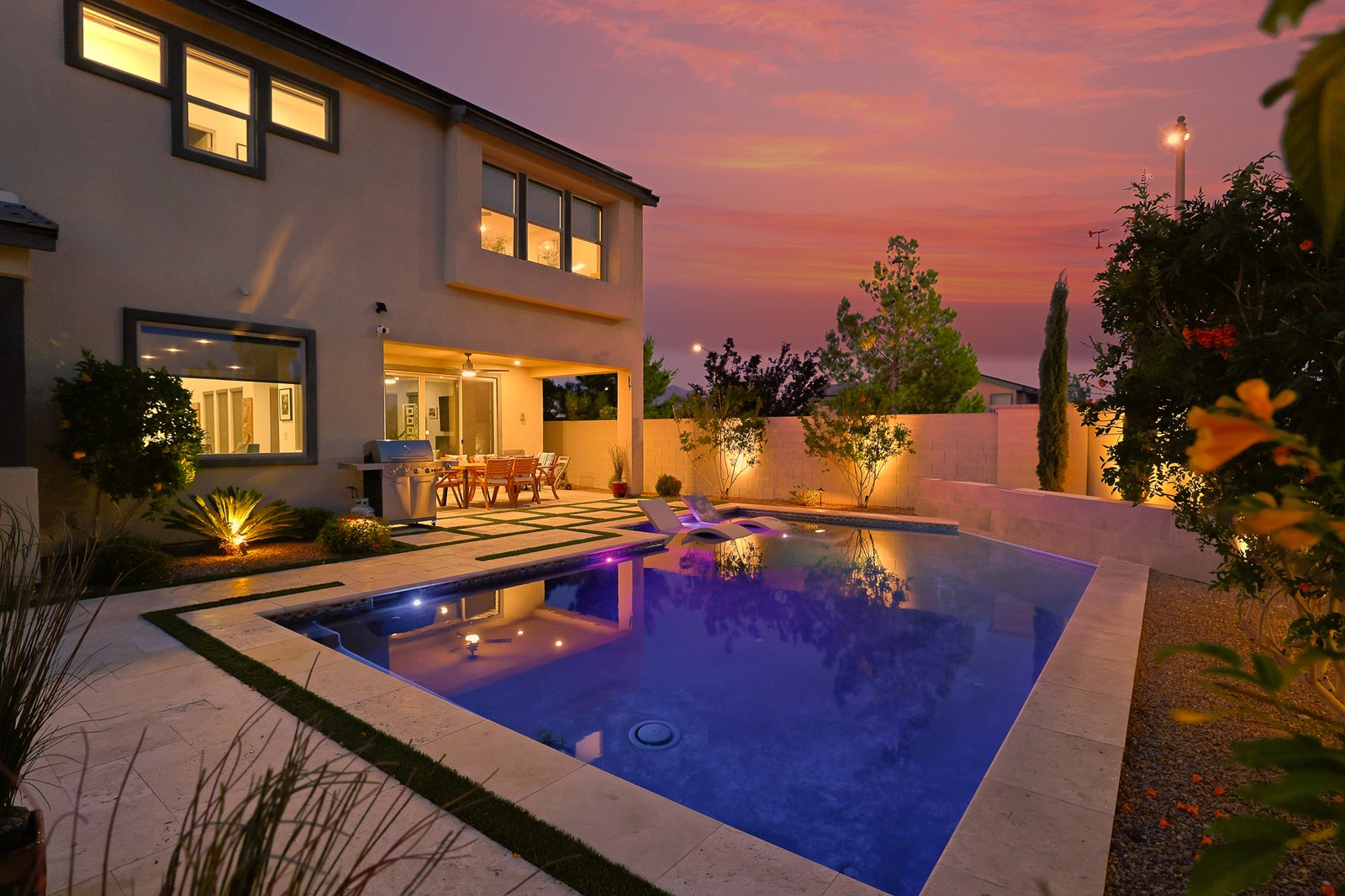
I get the same text from agents all the time: “Mike, my listing isn’t getting clicks.” The first thing I look at isn’t the price or the description — it’s the shape of the photos. Nine times out of ten, every single image is landscape, and on a phone that means a tiny strip of room floating in a sea of white space.
The orientation question nobody asks
Landscape (wide) is the MLS default. The photo frame on Zillow, Realtor.com and our local MLS is landscape, so agents assume every shot should be landscape too. That’s true for the hero photo — but it backfires once you scroll.
Here’s why: more than 70% of buyers are browsing on their phones. A phone screen is portrait. A landscape photo on a portrait screen fills less than half the display. A portrait photo fills it edge to edge. Bigger image, more detail, more emotional pull. It’s that simple.
When landscape wins
Shoot landscape for the shots that have to work as the MLS hero and the wide establishing views: the front exterior, the great room, the backyard. These spaces read better wide — you want to see the whole room in one glance. I shoot these level, HDR-blended, and corrected so the walls stand straight.
When portrait wins
Portrait earns its keep on the secondary shots where you want a buyer to stop scrolling. A tall staircase shot from the bottom looking up. A two-story entry. A vertical window with a view. A narrow but deep kitchen. Stacked vertically in the gallery, these give the listing rhythm — a mix of wide and tall keeps the eye moving instead of glazing over.
The mix I deliver
On a standard residential shoot I’ll give you a deliberate blend: roughly two-thirds landscape for the hero and wide rooms, one-third portrait for the vertical moments that would otherwise get lost. Every image is MLS-ready and delivered in 24 to 48 hours, starting at $110 for 10 photos.
The cameras I shoot with are full-frame, so I’m not cropping away resolution when I rotate. A portrait image from my rig holds as much detail as a landscape one. The cell-phone portrait shots you see out there — soft, noisy, distorted — that’s a sensor problem, not an orientation problem.
One quick test
Open your current listing on your phone. Scroll the photo gallery like a buyer would. If the images feel small and distant, you’ve got an orientation problem. If you want to see the difference done right, the residential portfolio shows the landscape/portrait mix I’m talking about.
Orientation isn’t a style choice — it’s a visibility choice. Get it right and every photo works harder for the listing.